- FDA Class II Device • Non-Invasive • Hopewell Junction, NY
Red Light Therapy &
Syntonic Phototherapy
Low-Level Light Therapy (LLLT) that helps the body heal from the inside out naturally stimulating cellular regeneration to address brain fog, fatigue, inflammation, skin conditions, TBI recovery, mood disorders, and more.
- What Is It?
Healing the Body From the Inside Out Naturally
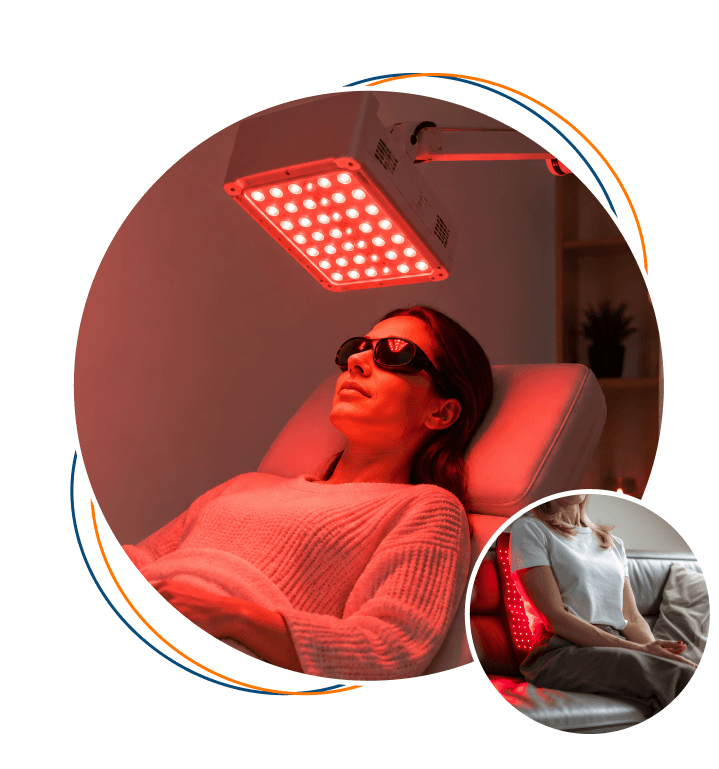
Red Light Therapy also called Low-Level Laser Therapy (LLLT), Low-Power Laser Therapy (LPLT), and Photobiomodulation (PBM) is a treatment that uses low levels of red or near-infrared light to help the body heal skin, muscle tissue, and other tissues at a cellular level.
When your skin is exposed to these specific wavelengths of light, a part of your cells called the mitochondria the power generators of the cell absorb that light and produce more ATP (Adenosine Triphosphate). ATP is the key molecule in cellular energy and regeneration. This stimulation of ATP production, combined with improved circulation and cellular respiration, activates and accelerates the body’s natural healing processes across a massive range of applications.
Red Light Therapy uses very low levels of energy and does not hurt or burn the skin. It is not the same type of light used in tanning booths and does not expose your skin to damaging UV rays. The wavelengths cannot be felt and do not generate heat upon exposure.
Light Exposure
Your skin is exposed to specific wavelengths of red and near-infrared light (630nm–850nm) from the device. The light is visible, painless, and generates no heat.
Mitochondrial Activation
Mitochondria in your cells absorb the light and begin producing more ATP the energy molecule that powers cellular repair and regeneration.
Mitochondrial Activation
Mitochondria in your cells absorb the light and begin producing more ATP the energy molecule that powers cellular repair and regeneration.
Official FDA Class II Medical Device
The red light therapy device used at Sensory Stepping Stones is an official FDA Class II medical device not a consumer wellness gadget. This classification ensures the device meets regulatory standards for safety and efficacy.
The 5 Therapeutic Wavelengths (630nm–850nm)
Research has shown improvements across a wide range of conditions using these five specific red and near-infrared light wavelengths:
630nm
Red
660nm
Deep Red
810nm
Near-IR
830nm
Near-IR
850nm
Near-IR
- Our Programs
Two Complementary Light Therapy Programs
Sensory Stepping Stones offers both Red Light Therapy and Syntonic Phototherapy two forms of Low-Level Light Therapy (LLLT) that address different dimensions of healing and can be used independently or together.
- Inclusive Fitness
Red & Infrared Light Therapy
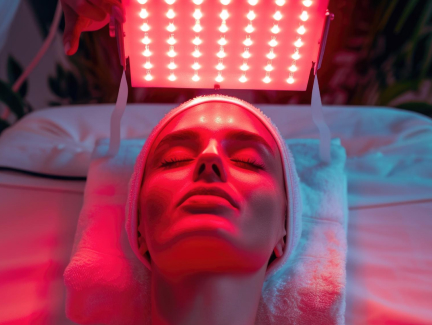
Red and near-infrared light therapy uses specific wavelengths of LED light to stimulate the body’s own ATP production, improve circulation, and accelerate cellular repair. Unlike tanning beds or UV-based treatments, this therapy carries no risk of skin damage and does not generate heat or discomfort.
One of the key advantages of Low-Level Light Therapy is its ability to help the body heal from the inside out, rather than simply relieving surface symptoms.
Conditions addressed include:
Brain Fog & Mental Clarity
Increased Energy Levels
Reduced Fatigue & Inflammation
Lyme Disease Symptoms
Fine Lines, Wrinkles & Skin Aging
Hair Regrowth
Psoriasis & Acne
Reduced Swelling After Injury
Improved Bone & Wound Healing
Reduced Training Fatigue
Concussion & TBI Recovery
Mood & Emotional Regulation
Neuropathic Pain
Osteoarthritis & Tendinitis
Dementia & Stroke Recovery
Accelerated Wound Healing
- Syntonic Phototherapy • LLLT
Syntonic "Light" Phototherapy
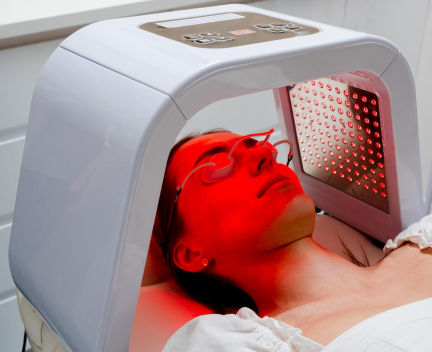
Syntonics is a specialized form of low-level light therapy that uses the application of colored light frequencies delivered through the eyes to address neurological, emotional, and physiological imbalances. It is a well-established optometric therapy with a growing body of clinical research.
Syntonics has been shown to be effective in the treatment of brain injuries and emotional disorders, and is now gaining significant recognition in the medical community as an effective treatment for Seasonal Affective Disorder (SAD). Research has also demonstrated that exposure to specific colors can meaningfully affect behavior, mood, and physiological function.
Sensory Stepping Stones was featured on Spectrum News for their work with Syntonic Light Therapy and Seasonal Affective Disorder.
Read More:
Seasonal Affective Disorder (SAD) and How Light Therapy Helps →
Conditions Addressed by Syntonic Phototherapy
Seasonal Affective Disorder (SAD)
Brain Injuries & TBI
Emotional Disorders
Jet Lag
PMS & Hormonal Rhythms
Circadian Rhythm Disruption
Behavior & Mood Imbalances
Sleep Disorders
- Research-Backed Benefits
What Clinical Research Has Shown
Researchers have been studying the effects of photobiomodulation for decades. While research is still developing, published studies consistently show improvements across a broad range of physical, neurological, and dermatological conditions when using the five specific red and near-infrared wavelengths (630nm–850nm) that our device delivers.
The therapeutic range is notable for its breadth. Red Light Therapy is one of the few non-invasive, drug-free interventions that has demonstrated measurable improvements across such diverse areas from skin health and wound healing to psychiatric conditions and stroke recovery.
Red Light Therapy does not replace medical treatment. We recommend consulting with your primary care provider before beginning any light therapy program, particularly if you are managing a diagnosed medical condition or are currently taking photosensitizing medications.
Areas Where Research Shows Improvement
- Reduced fine lines, wrinkles, and signs of skin aging
- Reduced training fatigue and muscle recovery
- Accelerated wound healing and reduced infection
- Improved recovery outcomes following stroke
- Psoriasis and inflammatory skin conditions
- Reduced inflammation systemically and locally
- Reduced neuropathic pain
- Dental pain and tooth alignment support
- Hair regrowth in androgenic alopecia
- Improved bone healing post-fracture or surgery
- Osteoarthritis and tendinitis symptom reduction
- Improved psychiatric disorder symptoms
- Treatment and reduction of acne
- Reduced swelling following injury
- Dementia and cognitive decline support
- Healing support for superficial skin cancers
- Parent stories
Real Families. Real Results.
You’re not the first family to walk in feeling hopeless. And you won’t be the last to walk out feeling seen.
We spent years trying different programs, but this was the first place where our son truly felt understood. The changes in his confidence, focus, and communication have been incredible for our whole family.
Emma & Daniel
Parents of Liam, age 7
Our daughter used to dread reading and schoolwork. Now she proudly reads bedtime stories to her little brother. The patience, warmth, and support here made all the difference.
Sophia & Michael
Parents of Ava, age 9
We spent years trying different programs, but this was the first place where our son truly felt understood. The changes in his confidence, focus, and communication have been incredible for our whole family.
Emma & Daniel
Parents of Liam, age 7
- Questions parents ask us
Honest answers to the things you're actually wondering.
Still have questions? We’d rather you ask than wonder.
- Take the first step
You don't need to have it figured out. You just need to start.
A free 30-minute conversation, no clipboards or scripts. Just us, you, and whatever you’re carrying.